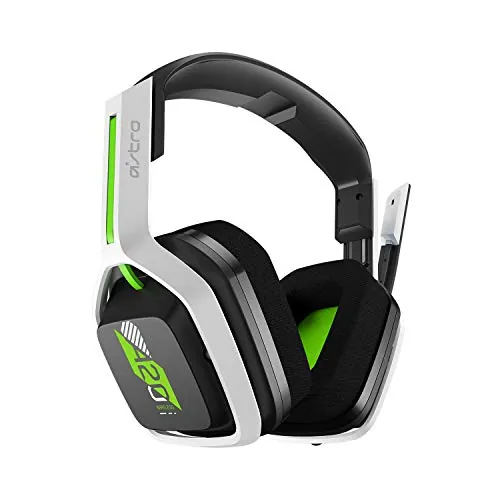
#1 Overall Winner
ASTRO Gaming A20 Wireless Headset Gen 2 for Xbox Series X | S, Xbox One, PC & Mac - White/Green
- Wireless freedom via 2.4 GHz RF for console/PC play without a cable.
Comparison
The ASTRO A20 Wireless Gen 2 and ASTRO A10 Wired target gamers who want clear in-game audio and simple controls, but they differ sharply in how you connect and where they deliver the best value. The A20 Gen 2 scores slightly higher overall thanks to wireless usability and connectivity, while the A10 wins on value, durability/build, and broad 3.5 mm compatibility. If you want cable-free gaming, lean A20; if you want an affordable, plug-in headset for many devices, the A10 is typically the more practical buy.
#1 Overall Winner
Contender
Overall winner
Depends on your needs
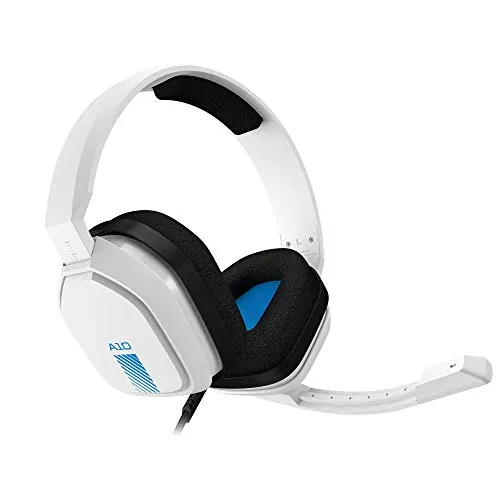
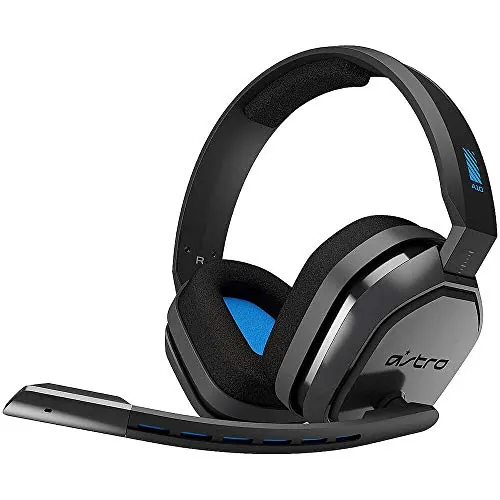
| Feature | ASTRO Gaming A20 Wireless Headset Gen 2 for Xbox Series X | S, Xbox One, PC & Mac - White/Green | ASTRO Gaming A10 Wired Gaming Headset, Lightweight and Damage Resistant, ASTRO, 3.5 mm Audio Jack, for Xbox Series X|S, Xbox One, PS5, PS4, Nintendo Switch, PC, Mac- Black/Blue | Winner |
|---|---|---|---|
| Overall score | 78 | 76 | ASTRO Gaming A20 Wireless Headset Gen 2 for Xbox Series X | S, Xbox One, PC & Mac - White/Green |
| Audio quality score | 81 | 82 | ASTRO Gaming A10 Wired Gaming Headset, Lightweight and Damage Resistant, ASTRO, 3.5 mm Audio Jack, for Xbox Series X|S, Xbox One, PS5, PS4, Nintendo Switch, PC, Mac- Black/Blue |
| Connectivity type | 2.4 GHz RF wireless (USB transmitter); Bluetooth listed | Wired 3.5 mm | Depends |
| Wireless range | Up to 15 m (50 ft) stated | Not applicable (wired) | ASTRO Gaming A20 Wireless Headset Gen 2 for Xbox Series X | S, Xbox One, PC & Mac - White/Green |
| Battery life | 15+ hours stated; USB-C charging | Not applicable (wired) | ASTRO Gaming A20 Wireless Headset Gen 2 for Xbox Series X | S, Xbox One, PC & Mac - White/Green |
| Compatibility score | 86 | 92 | ASTRO Gaming A10 Wired Gaming Headset, Lightweight and Damage Resistant, ASTRO, 3.5 mm Audio Jack, for Xbox Series X|S, Xbox One, PS5, PS4, Nintendo Switch, PC, Mac- Black/Blue |
| Setup score | 84 | 78 | ASTRO Gaming A20 Wireless Headset Gen 2 for Xbox Series X | S, Xbox One, PC & Mac - White/Green |
| Build quality score | 73 | 80 | ASTRO Gaming A10 Wired Gaming Headset, Lightweight and Damage Resistant, ASTRO, 3.5 mm Audio Jack, for Xbox Series X|S, Xbox One, PS5, PS4, Nintendo Switch, PC, Mac- Black/Blue |
| Durability score | 67 | 78 | ASTRO Gaming A10 Wired Gaming Headset, Lightweight and Damage Resistant, ASTRO, 3.5 mm Audio Jack, for Xbox Series X|S, Xbox One, PS5, PS4, Nintendo Switch, PC, Mac- Black/Blue |
| Usability score | 80 | 72 | ASTRO Gaming A20 Wireless Headset Gen 2 for Xbox Series X | S, Xbox One, PC & Mac - White/Green |
| Microphone approach | Flip-to-mute boom mic | Flip-up mute mic; described as omnidirectional; in-line control | Tie |
| Controls | On-device voice/game balance; EQ presets; volume | In-line volume control | ASTRO Gaming A20 Wireless Headset Gen 2 for Xbox Series X | S, Xbox One, PC & Mac - White/Green |
| Reliability score | 64 | 64 | Tie |
| Customer satisfaction score | 77 | 86 | ASTRO Gaming A10 Wired Gaming Headset, Lightweight and Damage Resistant, ASTRO, 3.5 mm Audio Jack, for Xbox Series X|S, Xbox One, PS5, PS4, Nintendo Switch, PC, Mac- Black/Blue |
| Value score | 72 | 86 | ASTRO Gaming A10 Wired Gaming Headset, Lightweight and Damage Resistant, ASTRO, 3.5 mm Audio Jack, for Xbox Series X|S, Xbox One, PS5, PS4, Nintendo Switch, PC, Mac- Black/Blue |
| Review profile | 4.5/5 from 3,716 reviews | 4.4/5 from 8,518 reviews | Depends |
In pure gaming performance scoring, the A20 Gen 2 rates higher (performance score 82 vs 78), suggesting a stronger overall “in-use” experience when you factor in wireless play and convenient onboard adjustments. Reviews frequently call its sound great for games and highlight being able to hear what’s happening in-game.
The A10 is still competitive on core audio performance—its audio quality score is slightly higher (82 vs 81) and many reviews praise clarity and immersion. If your definition of “performance” is consistent, low-latency audio through a simple wired connection, the A10 can feel more predictable. If “performance” includes freedom of movement and fast control tweaks on the headset, the A20 tends to come out ahead.
Both products have the same reliability score (64) and both show mixed reliability feedback in reviews. For the A20 Gen 2, aggregated reviews mention some users reporting it stops working properly. For the A10, some reviews mention issues such as one side not working or crackling/cutouts tied to cable connection.
In practice, the reliability risk looks different: the A20 depends on battery, wireless transmitter behavior, and electronics over time, while the A10 depends heavily on the cable and physical connections. If you’re sensitive to reliability issues, prioritize buying from a seller with an easy return/exchange process.
The A20 Gen 2 scores higher for usability (80 vs 72). In practice, this is what many buyers want from wireless: fewer cable snags, freedom to move around within range, and controls you can adjust mid-game (including chat/game balance where supported). Reviews also describe long-session comfort, which supports the usability advantage.
The A10 is very easy conceptually—plug it in and play—but reviews show some friction points typical of wired headsets, such as cable seating sensitivity and fit/clamp comfort varying by user. If you want the simplest “works on everything” approach and don’t mind a cable, A10 can still be the easier day-to-day headset.
Both are over-ear, over-the-head gaming headsets with flip-to-mute style microphones. The A20 Gen 2 is positioned as lightweight and comfort-first, and reviews mention it is comfortable enough to wear for long stretches around the home. One review also notes it isn’t particularly stylish for “streaming/showing off,” which may matter if you care about on-camera aesthetics.
The A10 leans into a sturdier physical design with durability materials called out in the specs, but some reviews mention it can feel heavier and that the fit can be tight for some users. Design preference here largely comes down to whether you want lighter wireless wearability (A20) or a more rugged wired build (A10).
The A10 leads on build quality (80 vs 73) and durability (78 vs 67). Its product details emphasize a durability-first construction with an anodized aluminum headband wrapped in a damage-resistant polycarbonate blend, and many reviews describe it as well built for the money.
The A20 Gen 2 is frequently described as comfortable and “well made” by some reviewers, but overall it has more mixed reliability/durability signals in the scoring and aggregated feedback. If you prioritize ruggedness and fewer long-term worries, the A10 is the safer bet from the provided data.
The A10 is the stronger durability pick in the provided data (durability score 78 vs 67). Its construction description is explicitly damage-resistant, and several reviewers frame it as sturdy and built to last for the price tier.
The A20 Gen 2 gets positive comments about being well made from some reviewers, but the scoring and aggregated review summary point to more mixed long-term confidence. If the headset will be used heavily, transported often, or shared, the A10’s durability-focused design is a meaningful advantage.
For around-the-home portability, the A20 Gen 2 has a natural advantage because it’s wireless and has a stated 15 m range. Multiple reviews mention moving around while chatting or gaming without losing signal (within range).
The A10 can travel easily in a bag, but day-to-day mobility is limited by the cable. Reviews also mention storage inconvenience and cable handling. If you want to stand up, walk around, or game from the couch without a wire, A20 is the better fit.
The A20 Gen 2 is more feature-rich on-headset: it offers on-device voice/game audio balancing (Xbox or PC), three EQ presets, a flip-to-mute mic, and USB-C charging for its built-in battery. It also supports the idea of expanding console support by purchasing an additional USB transmitter (sold separately).
The A10 is simpler but practical: a detachable 3.5 mm cable, in-line volume control, and a flip-up mute mic. Its “feature” advantage is largely its universal plug-in approach—fewer modes, fewer things to manage, and compatibility with many devices via the 3.5 mm jack.
The A20 Gen 2 scores higher for setup (84 vs 78) and reviewers mention it connects quickly using the USB transmitter. If your priority is fast, repeatable pairing without plugging into a controller each time, its dongle approach is convenient.
The A10 setup is “plug and play” through 3.5 mm, but a few reviews indicate you may need to double-check cable seating and system audio settings depending on platform. It’s still simple, just slightly more dependent on correct cabling and device settings.
The A10 is the more universally compatible headset thanks to its 3.5 mm audio jack and compatibility list that includes Xbox Series X|S, Xbox One, PS5, PS4, Nintendo Switch, PC, and Mac, plus other use cases mentioned in the listing.
The A20 Gen 2 is designed around a console-specific USB transmitter and is listed for Xbox Series X|S, Xbox One, PC, and Mac. It can expand to additional consoles by purchasing an extra USB transmitter (sold separately). If you play across multiple platforms and want a single, no-extra-hardware solution, A10 is simpler.
Audio quality is close. The A10 has a slightly higher audio quality score (82 vs 81) and many reviewers describe clear, immersive sound for gaming. Some reviews mention bass emphasis; how that lands depends on the games you play and your preference for detail vs impact.
The A20 Gen 2 is also widely praised for game sound and adds three EQ presets you can switch on the headset, which can be useful if you alternate between shooters, story games, and chat-heavy sessions. If you want more on-headset tuning flexibility and wireless convenience, A20 is attractive; if you want strong wired audio and value, A10 is hard to ignore.
The biggest difference is connection style. The A20 Gen 2 uses a 2.4 GHz wireless signal with a USB transmitter and lists an extended range up to 15 m (50 ft). This is ideal for couch gaming, moving around the room, and avoiding cable snags. It also lists Bluetooth 5.0 in the specifications, but the core gaming connection is its RF transmitter approach.
The A10 uses a 3.5 mm wired connection, which tends to be the most universally compatible option across consoles, PCs, and handheld devices. If you want “one headset, many devices” with minimal pairing, A10 wins; if you want wireless movement and a dongle-based setup, A20 wins.
This category strongly favors the A20 Gen 2 because it’s battery-powered and rated for more than 15 hours with USB-C charging. Reviews also commonly mention battery life as meeting expectations for long sessions.
The A10 is wired and therefore doesn’t have runtime to manage—no charging, but also no wireless convenience. If you dislike charging or play in very long stretches where battery anxiety is a concern, the A10’s “always on when plugged in” nature can be an advantage.
In the provided scores, the A10 is the stronger value pick (value score 86 vs 72) and it also leads on customer satisfaction score, supported by a large review count. That combination typically indicates buyers feel they get a lot of functional gaming headset for the money, especially with broad 3.5 mm compatibility and a durability-first build.
The A20 Gen 2 can still be good value if you specifically want its wireless experience, onboard balancing, and rechargeable convenience. It’s not “worse value” because it costs more—it’s simply a more specialized purchase where the wireless features need to matter to you.
Brand trust scoring is tied (74 vs 74). In reviews, both products get “Astro quality” praise from some buyers, but each also has critical feedback around reliability, comfort, or mic experience. Given the tie, the more practical differentiator is which product design you trust more for your use: wireless dongle + battery (A20) or wired + detachable cable (A10).
The A10 has the advantage in customer satisfaction score (86 vs 77) and also has a much larger review base (8,518 vs 3,716), which can make its average experience feel more validated across many buyers. Reviews commonly praise sound and value, with mixed notes on comfort and cable issues.
The A20 Gen 2 has a slightly higher star rating (4.5 vs 4.4) and strong positive feedback on comfort and sound, but the aggregated review summary highlights mixed reliability and microphone sentiment, which aligns with its lower satisfaction score.
Warranty/support scores are tied (50 vs 50), and no specific warranty terms are provided in the data. Because review feedback includes some faulty-item and refund/process frustration, it’s worth verifying the seller’s return window and support process before purchase—especially if reliability is a concern for you.
If you want a wireless gaming headset experience, the ASTRO A20 Wireless Gen 2 is the better overall-scoring option and makes day-to-day gaming more convenient with a USB transmitter connection, onboard balancing controls (Xbox/PC), and a 15+ hour rated battery. It’s a strong fit for players who value comfort and freedom of movement.
However, the ASTRO A10 Wired is the better choice for many shoppers because it scores much higher for value, leads on durability/build, and offers easier multi-platform use through a universal 3.5 mm connection. If you play across consoles (especially PlayStation and Switch) or want fewer charging/pairing variables, A10 is the safer, more practical pick. Either way, expect some mixed mic/comfort/reliability feedback and buy with an easy exchange window.
Overall winner
Depends on your needs
Based on the provided scores, the ASTRO A20 Wireless Gen 2 leads slightly on overall score (78 vs 76), helped by strong performance, usability, and wireless connectivity. The ASTRO A10 Wired stands out for value, durability/build, and broader 3.5 mm compatibility, plus a higher customer satisfaction score. The better choice depends on whether you want wireless freedom (A20) or simple, wide plug-in compatibility and value (A10).
The scores are close. The ASTRO A10 has a slightly higher audio quality score (82 vs 81) and many reviews describe clear, immersive game audio. The ASTRO A20 Gen 2 is also frequently praised for gaming sound and includes onboard EQ presets to change the sound profile. If you prefer a consistent wired connection, A10 may be the safer pick; if you want wireless plus quick EQ switching, A20 is appealing.
Comfort feedback is mixed for both, but the ASTRO A20 Gen 2 scores higher on usability and is repeatedly described as very comfortable in reviews, including long play sessions and soft earcups. The ASTRO A10 also has praise for comfort and memory-foam cushions, yet some users report clamping pressure or discomfort over time. If long-session comfort is your top priority, the review trend favors A20.
The ASTRO A20 Gen 2 is designed around an easy USB transmitter setup and scores higher for setup. Reviews mention quick connecting and convenience from the dongle-style connection. The ASTRO A10 is straightforward too—just plug the 3.5 mm cable in—but a few reviews mention issues if the cable isn’t fully seated or if system audio settings aren’t configured as expected. Overall, A20 has the edge in setup score.
The ASTRO A10 Wired is the clearer choice for multi-platform use because it uses a 3.5 mm jack and explicitly lists compatibility with Xbox, PS5/PS4, Nintendo Switch, PC, Mac, and more. The ASTRO A20 Gen 2 can expand compatibility by adding another USB transmitter (sold separately), but out of the box it is positioned for Xbox and PC/Mac with its console-specific transmitter approach.
Microphone feedback is mixed on both products. For the A20 Gen 2, multiple reviews praise the headset generally but some specifically criticize mic quality. The A10 also receives mixed mic feedback, though several reviews describe clear team communication. Because neither product has consistently unanimous mic sentiment in the provided data, the best approach is to prioritize return policy and test in your usual chat app/console party setup.
The ASTRO A20 Gen 2 lists more than 15 hours of battery life and reviewers commonly describe battery life as solid for long sessions. It also charges via USB-C, which is convenient if you want to top up between sessions. If you regularly play longer than a full day without charging, or you don’t want to manage charging at all, the wired ASTRO A10 avoids battery concerns entirely.
Durability is a relative strength for the ASTRO A10 in the scores (higher build quality and durability scoring) and in its construction description (aluminum headband wrapped in a damage-resistant polycarbonate blend). The ASTRO A20 Gen 2 has more mixed reliability feedback in reviews, including reports of units failing. That said, A10 also has some reliability complaints (like one side not working), so neither is risk-free.
From the provided scoring, the ASTRO A10 is rated notably higher for value and also has stronger customer satisfaction, supported by a much larger review count. The ASTRO A20 Gen 2 costs more but adds wireless convenience, onboard balancing, and battery-powered portability within range of the transmitter. If wireless freedom is a must-have feature, A20 can justify its higher cost; otherwise, A10 is the more value-oriented pick.
Check our rankings and expert guides to find the best electronics products for your goals.