ElectronicsRanker
Menu
Intel 660p 1TB vs 2TB NVMe SSD Comparison

Comparison

Intel 660p 1TB vs 2TB NVMe SSD Comparison

The Intel 660p 1TB and Intel 660p 2TB are closely matched PCIe NVMe 3.0 x4 SSDs with the same M.2 2280 format, QLC NAND, and listed sequential speeds. The 2TB model is the better choice for buyers who need a larger game or media library, while the 1TB model makes sense when 1TB is sufficient and a lower upfront cost matters more.

Expert tested Data driven Unbiased reviews Updated 2 August 2026
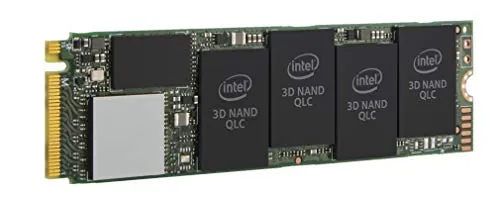
Intel 660p Series 1TB

#1 Overall Winner

Intel 660p Series 1TB

78/100
  • 1TB of NVMe storage in the M.2 2280 format.
View review
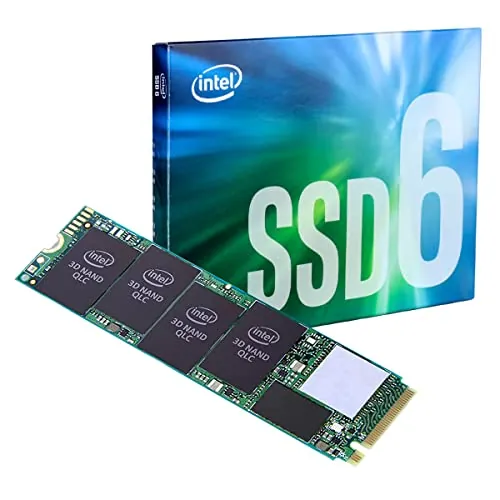
Intel 660p Series 2TB

Contender

Intel 660p Series 2TB

79/100
  • 2TB capacity provides twice the storage of the 1TB model.
View review

Quick verdict

Choose the Intel 660p 1TB for a lower-cost NVMe upgrade, a moderate game library, or general everyday storage. Choose the Intel 660p 2TB for larger libraries and fewer storage compromises. Avoid treating either as the best fit for frequent sustained heavy writes.

Overall winner

Depends on your needs

At-a-glance comparison

Feature Intel 660p Series 1TB Intel 660p Series 2TB Winner

Capacity

1TB

2TB

Intel 660p Series 2TB

Listed price

111.25

209.05

Intel 660p Series 1TB

Sequential read rating

Up to 1800 MB/s

Up to 1800 MB/s

Tie

Sequential write rating

Up to 1800 MB/s

Up to 1800 MB/s

Tie

Interface

PCIe NVMe 3.0 x4

PCIe NVMe 3.0 x4

Tie

Form factor

M.2 2280

M.2 2280

Tie

NAND type

Intel QLC 3D NAND

Intel QLC 3D NAND

Tie

Overall assessment

78

79

Intel 660p Series 2TB

Value assessment

87

89

Intel 660p Series 2TB

Customer satisfaction

89

91

Intel 660p Series 2TB

Compatibility assessment

83

78

Intel 660p Series 1TB

Heavy-write suitability

Limited by QLC and cache behavior

Limited by QLC and cache behavior

Tie

Detailed comparison

Performance

Performance is effectively tied on the supplied specifications: both drives are rated for sequential reads and writes up to 1800 MB/s. Reviews indicate that the 660p platform is responsive for operating systems, applications, games, and ordinary file transfers. The important limitation is sustained writing. The SLC cache can support fast initial transfers, but very large or repeated writes can drop significantly after it fills. Neither capacity is the clear choice for write-intensive production workloads.

Speed

There is no stated speed advantage between capacities: both are rated up to 1800 MB/s for sequential reads and writes. Real-world speed depends on the host's PCIe configuration and workload. Reviews report strong gains over SATA storage and responsive everyday operation, but also note much lower write performance during prolonged transfers once the cache is exhausted.

Reliability

The 2TB model has a marginally higher reliability score, but both drives carry the same general concern: QLC endurance and mixed customer reports about long-term reliability. Many buyers report satisfactory use, especially for games and general storage, yet the provided feedback also includes concerns about drives not lasting. Neither model should be selected primarily for high-write endurance.

Intel 660p Series 1TB

Pros

  • 1TB of NVMe storage in the M.2 2280 format.
  • Rated sequential read and write speeds of up to 1800 MB/s.
  • Strong value score and positive customer satisfaction data.
  • Simple internal installation is frequently praised in reviews.
  • Suitable for game libraries, general files, and everyday PC use.

Cons

  • QLC NAND is less appropriate for sustained heavy-write workloads.
  • Write performance can drop substantially after the SLC cache is exhausted.
  • Review feedback on heat and long-term reliability is mixed.
  • Only 1TB of capacity, which may be limiting for large game or media libraries.
  • Warranty and support information is limited in the provided data.
Intel 660p Series 1TB

Intel 660p Series 2TB

Pros

  • 2TB capacity provides twice the storage of the 1TB model.
  • Rated sequential read and write speeds of up to 1800 MB/s.
  • Higher overall, value, brand-trust, and customer-satisfaction scores.
  • M.2 2280 PCIe NVMe 3.0 x4 format supports compact PC and laptop upgrades.
  • Well suited to larger game libraries, media collections, and general storage.

Cons

  • QLC NAND has endurance trade-offs compared with higher-end NAND types.
  • Sustained large writes can slow considerably after the cache fills.
  • Mixed user feedback mentions heat and long-term reliability concerns.
  • Costs more upfront than the 1TB version.
  • Warranty and support details are not provided.
Intel 660p Series 2TB

Final verdict

The Intel 660p 2TB is the best overall choice in this comparison because it combines twice the capacity with the same listed 1800 MB/s sequential read and write ratings, plus a narrow lead in overall score, value, brand trust, and customer satisfaction. It is particularly sensible for large game libraries, media collections, and users who want more storage in the same M.2 slot.

The Intel 660p 1TB remains the better fit when 1TB is enough and lower upfront cost is the priority. It has slightly stronger provided connectivity, compatibility, setup, and power-efficiency results, while retaining the same core speed specification. Neither drive is the ideal choice for frequent sustained heavy writes: both use QLC NAND and reviews report significant write slowdowns after cache exhaustion, along with mixed feedback on heat and long-term reliability.


Overall winner

Depends on your needs

Frequently asked questions

<p>What is the main difference between the Intel 660p 1TB and 2TB?</p>

Capacity is the main difference. The Intel 660p 2TB provides twice the space of the 1TB model, while both use the same M.2 2280 PCIe NVMe 3.0 x4 format and have the same stated sequential read and write rating of up to 1800 MB/s. Choose based primarily on how much storage your files and games need.

<p>Which Intel 660p is better for a large game library?</p>

The Intel 660p 2TB is the stronger fit for a large game library because it provides more room for modern game installations without changing the basic platform or rated sequential speed. Reviews describe the 660p line as a good read-heavy storage option for games, but its QLC design is less suited to frequent, very large writes.

<p>Are the Intel 660p 1TB and 2TB equally fast?</p>

On the listed specifications, both drives are rated for sequential read and write speeds of up to 1800 MB/s. In real use, reviewers note that smaller or ordinary transfers can be quick, while long and frequent writes may slow down substantially after the SLC cache is filled. Capacity does not remove that shared QLC limitation.

<p>Is the Intel 660p a good boot drive?</p>

Both capacities can work as boot drives, and customer feedback mentions fast Windows booting and straightforward installation. However, reviews also indicate that the 660p is most compelling for general, gaming, and read-heavy storage rather than demanding sustained-write use. Users regularly handling very large writes may prefer a drive designed for that workload.

<p>Which Intel 660p offers better value?</p>

The 2TB Intel 660p has the higher provided value score and offers more storage, making it the better choice when that extra capacity will be used. The 1TB version remains the more economical upfront purchase. Neither choice should be based on price alone: consider capacity needs, motherboard compatibility, and whether your work involves sustained heavy writes.

<p>Do these Intel 660p SSDs fit every M.2 slot?</p>

No. Both drives use an M.2 2280 PCIe NVMe 3.0 x4 interface, so the host device needs an appropriate compatible M.2 PCIe slot. Reviews specifically advise checking for the correct M-key M.2 connection. A physical M.2 slot does not by itself confirm NVMe compatibility, so verify the system documentation before buying.

<p>Are the Intel 660p 1TB and 2TB suitable for heavy video editing?</p>

They can store editing assets, but the supplied reviews caution against frequent, very large write workloads. Once the SLC cache is exhausted, QLC write behavior can become much slower. For occasional transfers and general storage, either model may be suitable; for sustained media-production writes, the review evidence suggests considering a drive intended for stronger sustained throughput.

<p>Do the Intel 660p drives run hot?</p>

Feedback is mixed. Some customers report cool operation with a heatsink, while others mention heat during heavier use. The product data does not establish a universal thermal result because it can depend on the host system and cooling arrangement. Check available clearance and consider the system's M.2 cooling provisions before installation.

Related comparisons

Still not sure which one to choose?

Check our rankings and expert guides to find the best electronics products for your goals.

View all rankings