ElectronicsRanker
Menu
INLAND Professional 1TB SATA SSD vs Intel 660p 2TB NVMe

Comparison

INLAND Professional 1TB SATA SSD vs Intel 660p 2TB NVMe

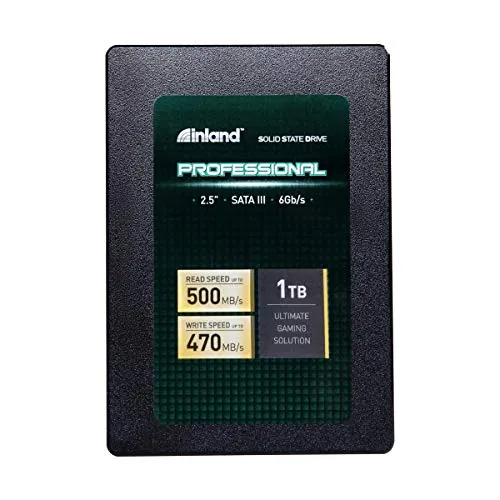
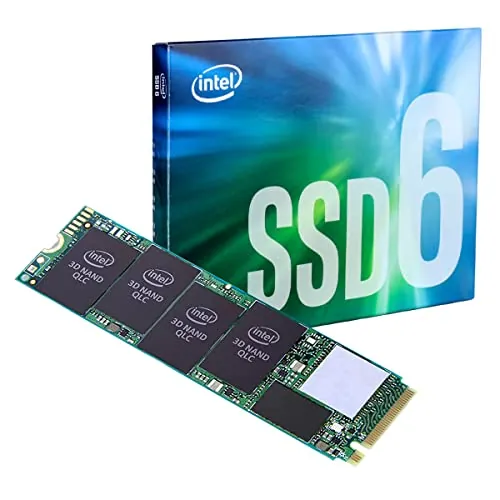
The INLAND Professional 1TB is a conventional 2.5-inch SATA SSD aimed at straightforward upgrades, while the Intel 660p is a 2TB M.2 NVMe drive for compatible systems. The Intel wins overall on supplied scoring, capacity, and peak speed, but the INLAND remains the more appropriate option for systems limited to a SATA drive bay.

Expert tested Data driven Unbiased reviews Updated 2 August 2026
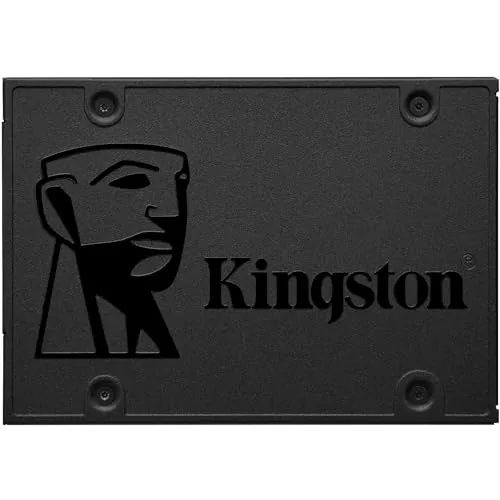
INLAND Professional 1TB SATA SSD

#1 Overall Winner

INLAND Professional 1TB SATA SSD

76/100
  • 1TB capacity in a standard 2.5-inch, 7mm SATA format.
View review
Intel 660p Series 2TB NVMe SSD

Contender

Intel 660p Series 2TB NVMe SSD

79/100
  • 2TB capacity provides twice the storage of the INLAND drive.
View review

Quick verdict

Choose the Intel 660p for a compatible M.2 NVMe system, 2TB capacity, faster peak transfers, and read-focused game or media storage. Choose the INLAND Professional for a 2.5-inch SATA-only laptop or desktop upgrade, especially when clear stated endurance and warranty details matter. Avoid treating either as an ideal sustained heavy-write work drive based on the supplied review feedback.

Overall winner

Depends on your needs

At-a-glance comparison

Feature INLAND Professional 1TB SATA SSD Intel 660p Series 2TB NVMe SSD Winner
Capacity

1TB

2TB

Intel 660p Series 2TB NVMe SSD
Form factor

2.5-inch, 7mm

M.2 2280

Depends
Interface

SATA III 6Gb/s

PCIe NVMe 3.0 x4

Intel 660p Series 2TB NVMe SSD
Rated sequential read

Up to 500 MB/s

Up to 1,800 MB/s

Intel 660p Series 2TB NVMe SSD
Rated sequential write

Up to 470 MB/s

Up to 1,800 MB/s

Intel 660p Series 2TB NVMe SSD
NAND type

3D TLC NAND

3D QLC NAND

Depends
Stated endurance

Up to 660TBW

Not provided in listing details

INLAND Professional 1TB SATA SSD
Everyday installation

Strong setup score; SATA cabling or bay required

Strong setup score; compatible M.2 slot required

Depends
Compatibility

Desktop, laptop, PC, Mac

Compatible M.2 PCIe systems

Depends
Value

Good value score and low-cost upgrade feedback

Higher value score and 2TB capacity

Intel 660p Series 2TB NVMe SSD
Customer satisfaction

4.6/5 from 4,669 reviews

4.8/5 from 2,737 reviews

Intel 660p Series 2TB NVMe SSD
Warranty details

Three-year limited parts and labor warranty

Not provided

INLAND Professional 1TB SATA SSD

Detailed comparison

Performance

The Intel 660p has the higher peak-performance ceiling on a compatible PCIe NVMe 3.0 x4 system: its listed sequential read and write speeds reach up to 1,800 MB/s, versus up to 500 MB/s read and 470 MB/s write for the INLAND SATA drive. This makes the Intel more compelling for fast loading and transfers that remain within its effective cache behavior.

The INLAND has a higher supplied performance score, but that does not overcome the interface gap in listed sequential specifications. In practice, its SATA-level performance is still a major improvement over a mechanical drive. For long, frequent writes, both models carry caveats: the Intel can slow sharply after cache exhaustion, while INLAND reviews advise against write-intensive workloads.

Speed

For peak sequential speed, the Intel 660p is the clear winner: it is rated at up to 1,800 MB/s for both reading and writing, compared with the INLAND's up to 500 MB/s read and 470 MB/s write. Reviews also report Intel results around 1.4 GB/s or higher in suitable systems.

That advantage is not constant. Intel reviews repeatedly describe a drop in write speed during large, sustained transfers after the SLC cache is consumed. The INLAND is slower by interface design but offers predictable SATA-class rated throughput for mainstream tasks. System configuration remains an important limit for either model.

Reliability

The supplied reliability scores are close, with Intel slightly ahead, but both products have mixed long-term feedback. Some INLAND customers report reliable use over months or years, while others mention early failures, freezing, or drive-recognition problems. Some Intel owners report stable use and positive experiences, but reviews also raise concerns over QLC longevity and reports that the drive may not last.

Neither set of comments eliminates the need for backups. The INLAND's stated warranty and endurance information provide clearer listing-level safeguards, while the Intel has stronger customer satisfaction in the supplied data.

INLAND Professional 1TB SATA SSD

Pros

  • 1TB capacity in a standard 2.5-inch, 7mm SATA format.
  • Rated sequential speeds of up to 500 MB/s read and 470 MB/s write.
  • Uses 3D TLC NAND and carries a stated endurance rating of up to 660TBW.
  • Shock- and vibration-resistant solid-state design with no moving parts.
  • Easy-install reputation for older laptops and mainstream desktop upgrades.
  • Includes a three-year limited parts and labor warranty.

Cons

  • Limited to SATA III bandwidth, so it is substantially slower on paper than the Intel NVMe drive.
  • Offers half the capacity of the 2TB Intel model.
  • Customer feedback includes some early-failure reports.
  • Compatibility feedback is mixed, including reports of Windows 10 not recognizing the drive.
  • Review feedback suggests it is not the best fit for sustained, write-intensive work.
INLAND Professional 1TB SATA SSD

Intel 660p Series 2TB NVMe SSD

Pros

  • 2TB capacity provides twice the storage of the INLAND drive.
  • PCIe NVMe 3.0 x4 interface with rated sequential read and write speeds up to 1,800 MB/s.
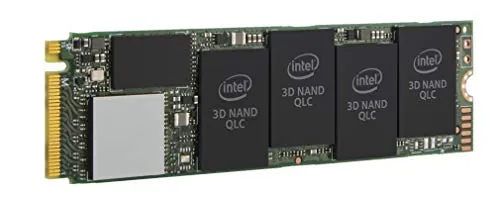
  • Compact M.2 2280 form factor suits systems with a compatible M-key NVMe slot.
  • Strong review rating and customer-satisfaction score.
  • Well suited to read-focused game libraries, application storage, and general bulk storage.
  • Higher brand-trust and value scores in the supplied comparison data.

Cons

  • Requires an available M.2 2280 PCIe NVMe-compatible slot; it cannot replace a 2.5-inch SATA drive directly.
  • QLC NAND and review feedback point to weaker sustained-write behavior once the cache is exhausted.
  • Not positioned by reviewers as the ideal choice for heavy database, editing, or frequent very large-write workloads.
  • Heat feedback is mixed, with some users reporting higher temperatures under load.
  • Reliability feedback is mixed, and the supplied durability score is lower than the INLAND drive's.
  • No warranty details are provided for this listing.
Intel 660p Series 2TB NVMe SSD

Final verdict

The Intel 660p Series 2TB is the best overall option in this comparison for a compatible modern PC or laptop. It has the higher overall score, double the capacity, much faster listed sequential performance, stronger value results, and better customer satisfaction. It is especially convincing as a large game, application, media, or general-purpose storage drive where reads dominate and burst-write performance is sufficient.

The INLAND Professional 1TB SATA SSD remains the better practical purchase for SATA-only systems. It fits the common 2.5-inch, 7mm format, carries stated TLC NAND and up to 660TBW endurance, and includes a three-year limited warranty. Neither model is the strongest match for sustained high-write workloads based on the review evidence. Confirm interface compatibility first, then choose Intel for modern capacity and speed or INLAND for a conventional SATA upgrade.

Overall winner

Depends on your needs

Frequently asked questions

Which is better overall: the INLAND Professional 1TB SATA SSD or Intel 660p 2TB NVMe SSD?

The Intel 660p is the stronger overall option in the supplied scores, helped by its 2TB capacity, NVMe interface, higher value score, and stronger customer satisfaction. It is only the better choice if the computer supports an M.2 2280 PCIe NVMe drive. The INLAND is more suitable for a conventional 2.5-inch SATA upgrade.

Is the Intel 660p faster than the INLAND Professional SATA SSD?

Yes, by the listed sequential specifications. The Intel 660p is rated for up to 1,800 MB/s reads and writes, while the INLAND is rated for up to 500 MB/s reads and 470 MB/s writes. Actual results depend on the system, PCIe lanes, workload, and whether the Intel drive's cache is exhausted.

Which SSD is better for an older laptop?

The INLAND Professional is usually the more practical choice for an older laptop with a 2.5-inch SATA drive bay, because it uses the standard SATA III interface and 7mm 2.5-inch form factor. The Intel 660p needs a compatible M.2 2280 PCIe NVMe slot, which many older laptops do not provide.

Which drive is better for game storage?

The Intel 660p is the better fit for compatible systems that need a large game library. It provides 2TB of space and higher peak NVMe throughput, while reviews specifically describe it as effective for read-focused game storage. Its QLC design is less appealing for frequent sustained large writes than for loading installed games.

Which SSD is better for sustained heavy writes?

Neither drive is a clear recommendation for demanding sustained-write workloads from the provided data. INLAND review feedback cautions against write-intensive use, while Intel 660p reviews note that large or frequent writes can slow substantially after its SLC cache fills. The INLAND does list TLC NAND and up to 660TBW endurance, but workload suitability still matters.

Does the Intel 660p work in every M.2 slot?

No. The Intel 660p is an M.2 2280 PCIe NVMe drive, so the computer needs a compatible M-key NVMe-capable slot. An M.2 slot can support different protocols, and physical fit alone does not confirm NVMe support. Check the motherboard or laptop documentation before purchasing.

Which drive is easier to install?

Both received positive installation feedback, but the best choice depends on the computer. The INLAND is a conventional 2.5-inch SATA drive that connects through SATA hardware. The Intel installs directly into an M.2 slot and is compact, but buyers must confirm NVMe compatibility and may need to initialize and format it in the operating system.

Which SSD appears more reliable?

The evidence is mixed for both products. The Intel has slightly higher supplied reliability and substantially higher customer-satisfaction scores, but reviews raise concerns about QLC endurance and long-term reliability. The INLAND has a higher supplied durability score and stated 660TBW endurance, yet some buyers report early failures or detection problems. Maintain backups with either drive.

Related comparisons

Still not sure which one to choose?

Check our rankings and expert guides to find the best electronics products for your goals.

View all rankings